
Anxiety Therapy
Take the free anxiety self-check (GAD-7) below, then read the full guide to anxiety symptoms, types and treatment. Anxiety can show up as constant worry, sudden panic, racing thoughts or physical tension that gets in the way of daily life — at work, in relationships, or in everyday moments that used to feel ordinary. At The Meeting Matters, we see clients across the full spectrum of anxiety, from generalised worry that never quite switches off to specific, situational fears, and build a treatment plan around what's actually driving yours rather than a one-size-fits-all script.
Sessions available now
Talk to a psychologist about anxiety
- Online or in person (Islamabad, Lahore, Karachi)
- English and Urdu
- Rated 4.8 on Google (430+ reviews)
- Confidential, we reply within 30 minutes
Free and private
Free Anxiety Self-Check (GAD-7)
Over the last 2 weeks, how often have you been bothered by the following problems?
Your answers stay on your device. Nothing is sent to us unless you choose to message us.
The GAD-7 was developed by Spitzer, Kroenke, Williams and Löwe and is free to use.
Types of Anxiety We Treat
Anxiety isn't one single experience — it shows up differently depending on what's driving it. We treat the full range, and for two of the most common presentations we've put together dedicated guides with more specific detail:
Panic Disorder & Panic Attacks
Sudden, intense episodes of fear with physical symptoms like a racing heart or shortness of breath.
Read more about panic disorder treatment →
Social Anxiety
Intense fear of judgement or embarrassment in social situations, beyond ordinary shyness.
Read more about social anxiety treatment →
We also treat Generalized Anxiety Disorder (constant, free-floating worry across many areas of life), specific phobias, and health anxiety — all using the evidence-based approach outlined below.
Ready to talk to someone?
What Is Anxiety? A Plain Answer
Anxiety is the body's alarm system: a feeling of worry, fear or unease about something that might happen. A little is normal and even useful. It becomes a problem when the worry is out of proportion, hard to switch off, and starts to affect sleep, work, study, relationships or health. When that happens it is often called an anxiety disorder, and it is one of the most common and most treatable mental-health difficulties.
How Anxiety Actually Shows Up
Anxiety isn't only a feeling of worry — it's often physical first. A racing heart, tight chest, shallow breathing, restlessness or trouble sleeping can all be anxiety before the mind even catches up to what it's reacting to. Some people experience it as constant background tension; others as sudden, sharp spikes of fear. It can also show up as avoidance — turning down invitations, putting off decisions, or over-preparing for situations that shouldn't need it — which quietly shrinks daily life in ways that aren't obvious until you step back and look at the pattern.
Not sure where to start?
Tell us briefly what you are going through and we will match you with the right psychologist for anxiety.
Our Approach
We primarily use Cognitive Behavioural Therapy (CBT) — identifying the specific thoughts and interpretations that fuel your anxiety, testing them against reality through structured exercises, and building practical tools you can use in the moment, not just in session. Depending on what you're dealing with, this is often combined with mindfulness-based techniques for physical tension and racing thoughts, and gradual, paced exposure work where avoidance has become part of the pattern. Where anxiety is tied to a specific past experience, we may also draw on EMDR.
What to Expect in Your First Session
Your first session is about understanding your specific triggers, patterns and history — not a checklist or a diagnosis handed down in the first ten minutes. From there, your therapist builds a plan tailored to what you're actually dealing with, whether that's constant worry, panic attacks, social situations, or something more specific, and checks in regularly to adjust the approach as you progress.
Meet your psychologist
Our psychologists for anxiety
These psychologists at The Meeting Matters list this among their areas of focus. Book directly with the one you prefer, or message us and we will match you.

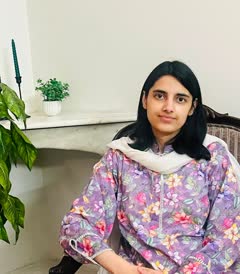

Professor & Senior Psychotherapist · PhD Clinical Psychology · 38 Years' Experience
Islamabad or online

Clinical Psychologist & Psychotherapist — Anxiety, Trauma, Relationships
Islamabad or online
Anxiety in the Pakistani Context
Seeking help for anxiety can come with its own pressures here — concerns about family reaction, cultural expectations around "coping quietly," or simply not knowing where to start. We work with clients navigating exactly this, offering sessions in English, Urdu, Hindi and Punjabi, and a confidential space where cultural context doesn't need to be explained from scratch before the real conversation can begin.
Common Anxiety Symptoms
Anxiety shows up in the body and the mind. Physical signs include a racing heart, tight chest, shortness of breath, dizziness, trembling, sweating, stomach upset, headaches, muscle tension and trouble sleeping. Mental and emotional signs include constant worry, overthinking, feeling on edge, irritability, difficulty concentrating, fear of the worst happening, and avoiding situations that trigger worry. Anxiety is common and treatable.
Types of Anxiety
Generalised anxiety (worry about many things), panic disorder, social anxiety, health anxiety, specific phobias and OCD have different patterns and slightly different treatments. A first session helps work out which fits you.
Ready to book your session?
Choose a time that suits you. We confirm your request within about 30 minutes.
Anxiety Test: Can a Quiz Tell Me?
Short questionnaires such as the GAD-7 are used by clinicians as a starting point to gauge how severe anxiety is, and online versions exist. They cannot diagnose anxiety or explain why it is happening. A proper assessment looks at your symptoms, history and daily life, and checks for other causes such as sleep, caffeine, thyroid problems or depression.
Anxiety Treatment in Pakistan: What Works
Cognitive Behavioural Therapy (CBT), including gradual exposure to feared situations, has the strongest evidence for most anxiety problems. Skills such as breathing and grounding help in the moment, and therapy works on the thought and behaviour patterns that keep anxiety going. We are psychologists and do not prescribe medication. If a medical opinion would help, we will say so and work alongside your doctor or psychiatrist. See CBT and anxiety clinic in Islamabad.
Anxiety Therapy Online or in Islamabad
Sessions are by secure video from anywhere in Pakistan, or in person at our F-11/1 clinic, in Urdu, Punjabi or English. See Karachi, Lahore and Rawalpindi. Message us on WhatsApp with what you are dealing with and a time that suits you. We usually reply within about 30 minutes and will suggest a suitable therapist.
Symptoms, Self-Checks and Guides
See also anxiety symptoms, the anxiety self-check (GAD-7), panic attack symptoms and how to stop overthinking.
Online Therapy for Karachi and Lahore
Living in Karachi or Lahore? Our psychologists see clients there online, in Urdu, English or Punjabi: therapist in Karachi, therapist in Lahore, psychologist in Karachi and psychologist in Lahore.
Read This in Urdu (اردو میں)
Prefer to read in Urdu? اردو میں پڑھیں: ماہر نفسیات, ڈپریشن کا علاج, اینگزائٹی کا علاج, ذہنی دباؤ اور ٹینشن کا علاج and نفسیاتی مسائل اور ان کا حل. Sessions are available in Urdu, English or Punjabi.
How to Read Your GAD-7 Score
The GAD-7 is a short, widely used screening questionnaire for generalised anxiety. A score of 0 to 4 suggests minimal anxiety, 5 to 9 mild, 10 to 14 moderate and 15 to 21 severe. A score of 10 or more is commonly used as a reason to talk to a professional. It is a screening tool, not a diagnosis: only an assessment with a psychologist or doctor can tell you what is going on and what would help.
Therapy and Medication: Who Does What
Our psychologists provide assessment and talking therapy. We do not prescribe medication. For some people, especially with severe or long-standing anxiety, a doctor or psychiatrist may suggest medication alongside therapy, and we are happy to work alongside them. If you are already on medication, please do not stop or change it without speaking to your prescriber.
Self-Help Steps Between Sessions
Small habits help: slow breathing (in for 4, out for 6) for a few minutes; regular sleep and wake times; cutting back on caffeine and energy drinks; moving your body daily; writing worries down and setting aside a short 'worry time' instead of worrying all day; and gradually doing, rather than avoiding, the things you fear. These steps support therapy; they do not replace it when anxiety is interfering with your life.
When to Seek Help
Consider talking to a psychologist if anxiety has lasted several weeks, is getting in the way of work, study, sleep or relationships, is causing panic attacks, makes you avoid things you need or want to do, or if you are using alcohol or other substances to cope. If you ever feel unsafe or have thoughts of harming yourself, tell someone you trust today and reach out to us or local emergency services straight away.
More Guides
More guides: generalised anxiety disorder (GAD), agoraphobia, phobias, anxiety attack vs panic attack and breathing exercises for anxiety.
What Our Clients Say
“I had a really great experience at Meeting Matters Clinic in F-11. The therapists here are highly professional aur unka ravaiya bohat supportive hai. It’s not easy to find a safe space for mental health, but yahan ka mahol bohat pur-sakoon aur welcoming hai. They genuinely listen to your problems without any judgment. Highly recommended for anyone looking for good counseling in Islamabad.”
Subhan A. · Google Review
“I am truly grateful to Ms. Tasmiya Asghar and the team at Meeting Matters. I reached out during one of the most difficult periods of my life while dealing with grief and trying to be the best parent I could be for my children. Ms. Tasmiya's kindness, empathy, and guidance helped me navigate emotions that often felt overwhelming. She helped me understand my feelings, regain perspective, and think through practical ways of supporting my children and myself. I always felt respected, heard, and comfortable during our sessions. I would wholeheartedly recommend Ms. Tasmiya Asghar and Meeting Matters to anyone going through a challenging time and looking for professional support in a compassionate environment.”
Hashir K. · Google Review
“Have noticed alot of changes within myself because of the sessions I've had. My therapist is extremely kind and helpful. I've never once felt uncomfortable feeling like I'm talking to a stranger. My Dr has made me feel as if she's my own and has helped me a lot.”
Shagufta K. · Google Review
15+ Years of Experience You Can Trust
The Meeting Matters has been providing professional counseling, therapy and training since 2010 — over fifteen years of clinical experience supporting individuals, couples and families across Pakistan and around the world. Our psychologists are trained in evidence-based approaches including CBT, DBT, EMDR and psychodynamic therapy, delivered through confidential online counseling and online therapy as well as in-person sessions at our Islamabad clinic.
Explore Our Full Range of Services
Alongside specialist support for this concern, you have access to our full range of services — the same experienced team, available online or in person:
Individual Therapy
One-to-one online counseling and therapy for anxiety, depression, stress and personal growth.
Couples Counseling
Online relationship counseling for communication, conflict and rebuilding trust.
Marriage Counseling
Online marriage counseling for couples working through distress or disconnection.
Premarital Counseling
Guided conversations before marriage, available online.
Family Therapy
Family counseling for communication, parenting and conflict resolution.
Child Psychology
Child and adolescent therapy with parent guidance.
Online Therapy
Secure online therapy sessions from anywhere.
Corporate Mental Health Workshops
Workplace wellbeing programs for organisations.
Career Counseling
Support for career transitions and workplace stress.
Key Benefits
- Evidence-based CBT, mindfulness and EMDR approaches
- Treatment tailored to your specific type of anxiety
- Practical tools for panic, worry and avoidance
- Online and in-person sessions
- Confidential, non-judgemental space
- Support in English, Urdu, Hindi and Punjabi
Frequently Asked Questions
Start therapy for anxiety this week
Confidential, caring and practical. You do not need a diagnosis or a referral to begin.
- 1
Message us
Tell us briefly what you need. A short note is enough.
- 2
We match you
We suggest the right psychologist and confirm a time within about 30 minutes.
- 3
Meet your psychologist
Online by secure video, or in person in Islamabad, Lahore or Karachi.
Related Guides
Helpful Articles
Related Reading
CBT Techniques for Anxiety: What Actually HelpsAbout this information
Written and maintained by psychologists
The Meeting Matters is a psychology and mental-health organization founded in Islamabad in 2010. This page is written and kept up to date by our clinical team, led by Mr. Muhammad Naushad Anjum, Founder and CEO and a Registered Practitioner Psychologist with the UK Health and Care Professions Council (HCPC).
- Evidence-based approaches such as CBT, DBT and EMDR
- Qualified psychologists, trained, supervised and supported
- Everything you share is confidential
- Client feedback is used to keep improving our care
Last updated: 16 November 2026. This page gives general information and is not a substitute for a professional assessment. See about us and our psychologists.
Ready to Begin Your Journey?
Take the first step toward better mental health. Our compassionate team is here to support you.