
Obsessive-Compulsive Disorder (OCD): What It Is, Causes and Types
OCD stands for obsessive-compulsive disorder. It is a common, treatable condition in which unwanted thoughts, images or urges keep returning (obsessions) and you feel driven to do something to ease the distress (compulsions). It is not about being tidy or liking things neat. This guide explains what OCD is, its types, causes and how it is treated.
Free and private
OCD Signs Checklist (Not a Diagnosis)
Tick the statements that have been true for you recently. Many people have an odd thought or check something twice now and then; this is about thoughts and habits that feel hard to stop and take up time.
Your answers stay on your device. Nothing is sent to us unless you choose to message us.
This is our own plain-language checklist, based on the general symptom descriptions of OCD. It is not a validated test and cannot diagnose OCD.
Ready to talk to someone?
What Is OCD?
OCD has two parts. Obsessions are unwanted, distressing thoughts, images or urges that keep coming back, such as fear of germs, doubts about whether you locked the door, or disturbing thoughts you do not want. Compulsions are the repeated actions or mental rituals you do to reduce the distress, such as washing, checking, counting, repeating or praying a set way. The relief is brief, so the cycle repeats and can take up hours a day.
What Does OCD Stand For?
OCD stands for obsessive-compulsive disorder. In Urdu it is often described through the idea of waswas, the repeated doubts and intrusive fears, which is why religious doubts are a common theme. See OCD symptoms for a detailed list.
Common Types and Themes of OCD
OCD shows up in different ways. Common themes include contamination and cleaning, checking and safety, symmetry and order, unwanted harm thoughts, unwanted taboo or sexual thoughts, religious or moral doubt (scrupulosity or waswas) and relationship doubts. The theme can change over time, but the pattern of obsession and compulsion is the same.
What Causes OCD?
There is no single cause. Research points to a mix of brain and biological factors, a family tendency, learned patterns and stressful life events. OCD is not caused by weak faith, poor parenting or lack of willpower, and it is not anyone's fault.
Who Gets OCD and When Does It Start?
OCD affects roughly 1 to 3 in 100 people. It often begins in childhood, the teenage years or early adulthood, but can start at any age. Many people live with it for years before getting help because of shame or because they do not know it is OCD.
OCD and Anxiety, OCPD and Perfectionism
OCD is closely related to anxiety, and the two often occur together. It is different from perfectionism, which does not usually bring the same distress and time-consuming rituals, and from OCPD, a personality pattern; see OCPD vs OCD.
How Is OCD Treated?
The main treatment is CBT with exposure and response prevention (ERP); see ERP therapy for OCD. Many people also benefit from medication prescribed by a doctor. Our psychologists provide assessment and talking therapy. We do not prescribe medication. A doctor or psychiatrist decides about medication, and we can work alongside them. Our full treatment guide is at OCD treatment.
Is OCD Curable?
OCD is highly treatable. Many people have a big reduction in symptoms with ERP-based therapy, and some recover fully. Skills learned in therapy help prevent relapse.
When to Seek Help
Reach out if obsessions or rituals take more than an hour a day, cause distress, affect work, study, faith practice or relationships, or if you have kept it secret out of shame. If you ever have thoughts of harming yourself, tell someone you trust today and contact us or local emergency services straight away.
Get OCD Help in Pakistan
To get help, message us on WhatsApp or use the booking page. Sessions are online across Pakistan and abroad, or in person at our Islamabad clinic in F-11/1. This page is general information, not a diagnosis or medical advice.
CBT Specialists Who Treat OCD
These psychologists at The Meeting Matters use Cognitive Behavioral Therapy (CBT) and list this among their areas of focus. Open a profile to read their approach and book.
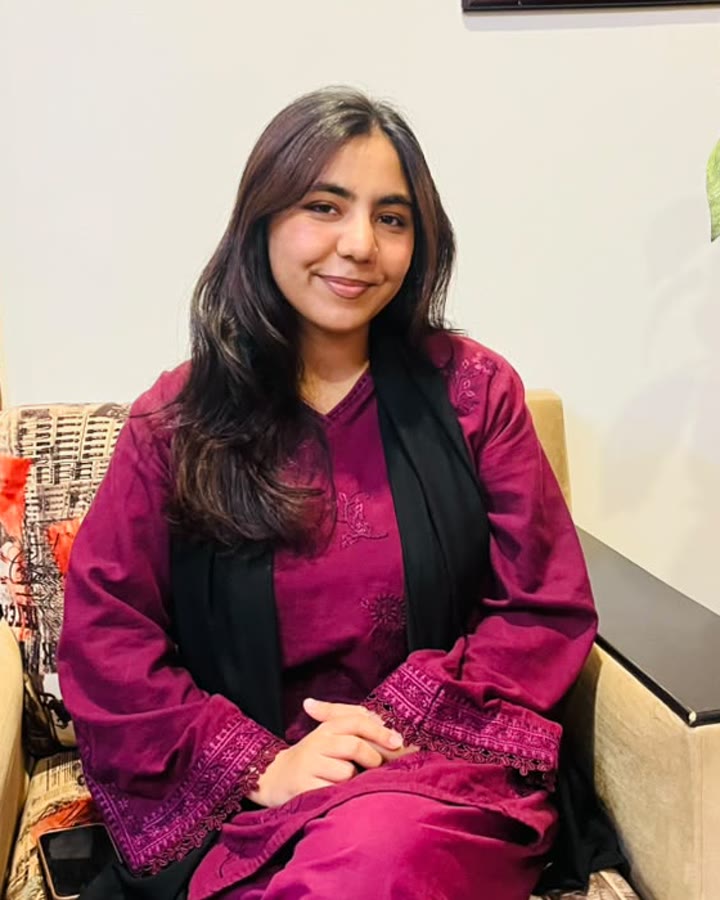
Naima Sadia
Clinical Psychologist — CBT Specialist: OCD, Depression & Anxiety

Kainat Ali
Clinical Psychologist — Anxiety, Panic Disorder & BPD
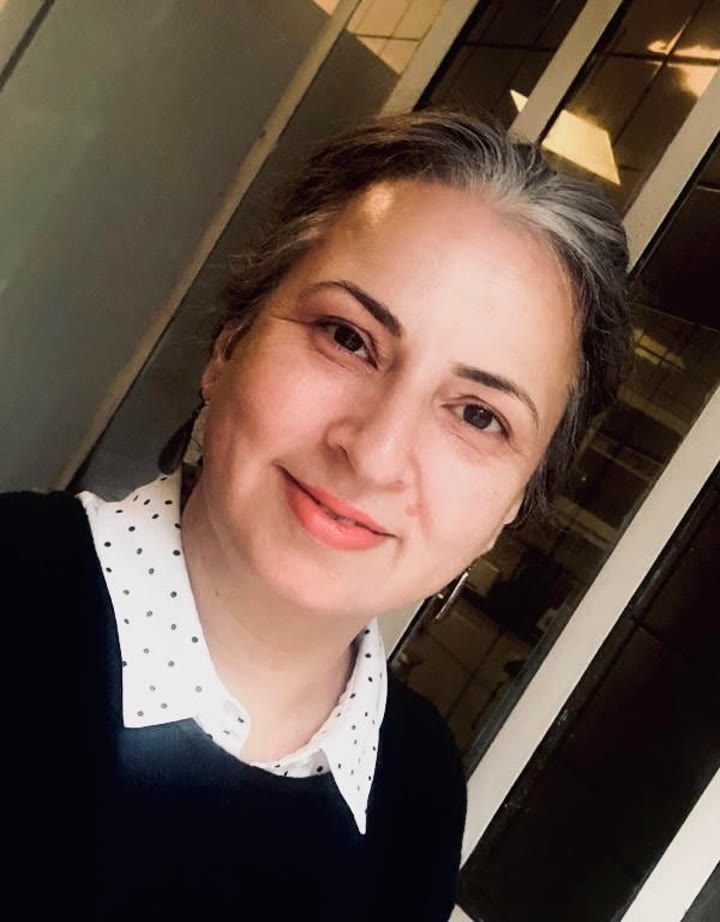
Saiqa Raziq
Clinical Psychologist, Certified Cognitive Behaviour Therapist
What Our Clients Say
“I had a really great experience at Meeting Matters Clinic in F-11. The therapists here are highly professional aur unka ravaiya bohat supportive hai. It’s not easy to find a safe space for mental health, but yahan ka mahol bohat pur-sakoon aur welcoming hai. They genuinely listen to your problems without any judgment. Highly recommended for anyone looking for good counseling in Islamabad.”
Subhan A. · Google Review
“I am truly grateful to Ms. Tasmiya Asghar and the team at Meeting Matters. I reached out during one of the most difficult periods of my life while dealing with grief and trying to be the best parent I could be for my children. Ms. Tasmiya's kindness, empathy, and guidance helped me navigate emotions that often felt overwhelming. She helped me understand my feelings, regain perspective, and think through practical ways of supporting my children and myself. I always felt respected, heard, and comfortable during our sessions. I would wholeheartedly recommend Ms. Tasmiya Asghar and Meeting Matters to anyone going through a challenging time and looking for professional support in a compassionate environment.”
Hashir K. · Google Review
“Have noticed alot of changes within myself because of the sessions I've had. My therapist is extremely kind and helpful. I've never once felt uncomfortable feeling like I'm talking to a stranger. My Dr has made me feel as if she's my own and has helped me a lot.”
Shagufta K. · Google Review
15+ Years of Experience You Can Trust
The Meeting Matters has been providing professional counseling, therapy and training since 2010 — over fifteen years of clinical experience supporting individuals, couples and families across Pakistan and around the world. Our psychologists are trained in evidence-based approaches including CBT, DBT, EMDR and psychodynamic therapy, delivered through confidential online counseling and online therapy as well as in-person sessions at our Islamabad clinic.
Explore Our Full Range of Services
Alongside specialist support for this concern, you have access to our full range of services — the same experienced team, available online or in person:
Individual Therapy
One-to-one online counseling and therapy for anxiety, depression, stress and personal growth.
Couples Counseling
Online relationship counseling for communication, conflict and rebuilding trust.
Marriage Counseling
Online marriage counseling for couples working through distress or disconnection.
Premarital Counseling
Guided conversations before marriage, available online.
Family Therapy
Family counseling for communication, parenting and conflict resolution.
Child Psychology
Child and adolescent therapy with parent guidance.
Online Therapy
Secure online therapy sessions from anywhere.
Corporate Mental Health Workshops
Workplace wellbeing programs for organisations.
Career Counseling
Support for career transitions and workplace stress.
Key Benefits
- Qualified psychologists, in English or Urdu
- Online across Pakistan and abroad, or in person in Islamabad
- Assessment and a clear plan
- Evidence-based therapy such as CBT
- Confidential and non-judgmental
- Evening and weekend options where available
Frequently Asked Questions
About this information
Written and maintained by psychologists
The Meeting Matters is a psychology and mental-health organization founded in Islamabad in 2010. This page is written and kept up to date by our clinical team, led by Mr. Muhammad Naushad Anjum, Founder and CEO and a Registered Practitioner Psychologist with the UK Health and Care Professions Council (HCPC).
- Evidence-based approaches such as CBT, DBT and EMDR
- Qualified psychologists, trained, supervised and supported
- Everything you share is confidential
- Client feedback is used to keep improving our care
Last updated: 16 November 2026. This page gives general information and is not a substitute for a professional assessment. See about us and our psychologists.
Ready to Begin Your Journey?
Take the first step toward better mental health. Our compassionate team is here to support you.