
Bipolar Disorder Medication: Mood Stabilizers Explained
Medication is a main part of treatment for bipolar disorder, alongside therapy. This guide explains the types of medicines used, what they do, why monitoring and routine matter, and how talking therapy fits in. It is general information; only a psychiatrist or doctor can prescribe.
Ready to talk to someone?
Why Medication Matters in Bipolar Disorder
Bipolar disorder involves episodes of high mood (mania or hypomania) and low mood (depression). Medicines can reduce how often and how severe episodes are, and help people stay well between episodes. Guidelines such as NICE's recommend medication together with psychological support.
Mood Stabilizers
Mood stabilizers are the foundation of long-term treatment. They include lithium and some anti-seizure medicines. They help prevent both highs and lows. Some, such as lithium, need regular blood tests to keep levels safe, so follow-up with your doctor is important.
Antipsychotic Medicines
Some antipsychotic medicines are used to treat mania or, in some cases, bipolar depression and to prevent relapse. They are used at doses chosen by your psychiatrist.
Antidepressants in Bipolar Disorder
Antidepressants are used with care in bipolar disorder because on their own they can trigger a high in some people. They are usually combined with a mood stabilizer and chosen by a psychiatrist.
Side Effects and Monitoring
Different medicines have different side effects, such as weight change, tiredness, tremor, thirst or changes in thyroid or kidney function. Tell your doctor about side effects rather than stopping on your own. Regular reviews and blood tests, where needed, keep treatment safe.
Do Not Stop Suddenly
Stopping medication suddenly can bring on an episode. If you want to change or stop, talk to your psychiatrist first.
Pregnancy and Planning a Family
Some bipolar medicines carry risks in pregnancy. If you are pregnant or planning to be, speak to your psychiatrist before making any changes.
Therapy Alongside Medication
Our psychologists provide assessment and talking therapy. We do not prescribe medication. A doctor or psychiatrist decides about medication, and we can work alongside them. Therapy helps with understanding the condition, spotting early warning signs, keeping regular routines and sleep, handling stress and relationships, and sticking with treatment. See bipolar disorder therapy and bipolar symptoms.
Get Support
To get help, message us on WhatsApp or use the booking page. Sessions are online across Pakistan and abroad, or in person at our Islamabad clinic in F-11/1. This page is general information, not a diagnosis or medical advice. Never start, stop or change a medicine without advice from your doctor.
Meet Therapists Who Can Help
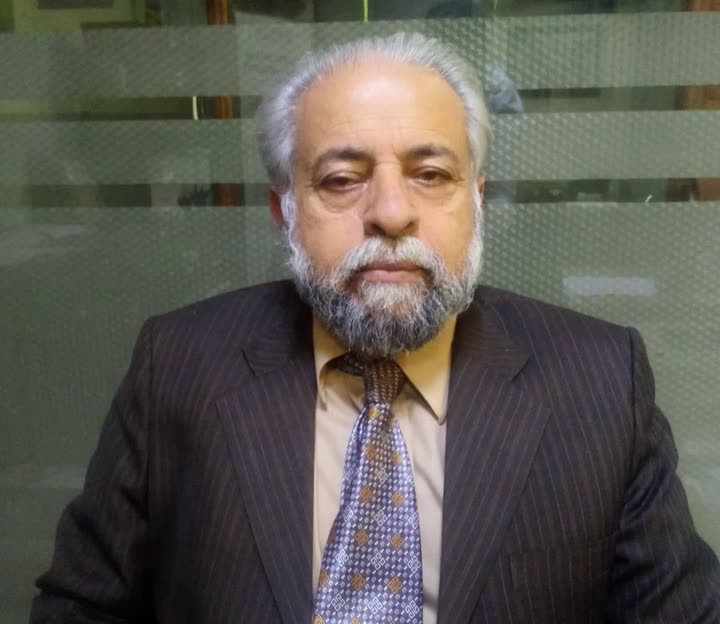
Prof. Dr. Asghar Ali Shah
Professor & Senior Psychotherapist · PhD Clinical Psychology · 38 Years' Experience
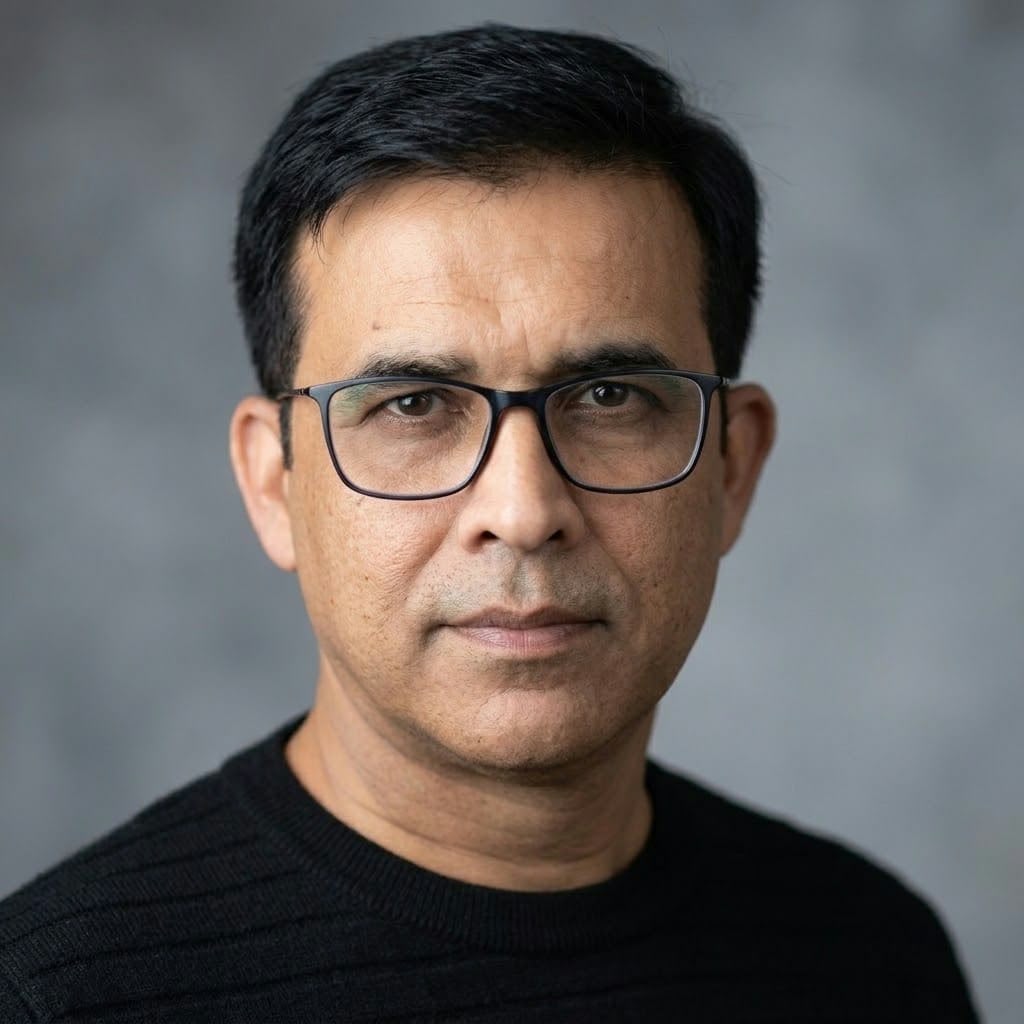
Muhammad Naushad Anjum
Founder & Lead Psychologist (HCPC Registered) — Couples, Marriage & Relationship Counselling

Lamiah Munaf
Teenage Counselor & Educational Remedial Therapist
What Our Clients Say
“I had a really great experience at Meeting Matters Clinic in F-11. The therapists here are highly professional aur unka ravaiya bohat supportive hai. It’s not easy to find a safe space for mental health, but yahan ka mahol bohat pur-sakoon aur welcoming hai. They genuinely listen to your problems without any judgment. Highly recommended for anyone looking for good counseling in Islamabad.”
Subhan A. · Google Review
“I am truly grateful to Ms. Tasmiya Asghar and the team at Meeting Matters. I reached out during one of the most difficult periods of my life while dealing with grief and trying to be the best parent I could be for my children. Ms. Tasmiya's kindness, empathy, and guidance helped me navigate emotions that often felt overwhelming. She helped me understand my feelings, regain perspective, and think through practical ways of supporting my children and myself. I always felt respected, heard, and comfortable during our sessions. I would wholeheartedly recommend Ms. Tasmiya Asghar and Meeting Matters to anyone going through a challenging time and looking for professional support in a compassionate environment.”
Hashir K. · Google Review
“Have noticed alot of changes within myself because of the sessions I've had. My therapist is extremely kind and helpful. I've never once felt uncomfortable feeling like I'm talking to a stranger. My Dr has made me feel as if she's my own and has helped me a lot.”
Shagufta K. · Google Review
15+ Years of Experience You Can Trust
The Meeting Matters has been providing professional counseling, therapy and training since 2010 — over fifteen years of clinical experience supporting individuals, couples and families across Pakistan and around the world. Our psychologists are trained in evidence-based approaches including CBT, DBT, EMDR and psychodynamic therapy, delivered through confidential online counseling and online therapy as well as in-person sessions at our Islamabad clinic.
Explore Our Full Range of Services
Alongside specialist support for this concern, you have access to our full range of services — the same experienced team, available online or in person:
Individual Therapy
One-to-one online counseling and therapy for anxiety, depression, stress and personal growth.
Couples Counseling
Online relationship counseling for communication, conflict and rebuilding trust.
Marriage Counseling
Online marriage counseling for couples working through distress or disconnection.
Premarital Counseling
Guided conversations before marriage, available online.
Family Therapy
Family counseling for communication, parenting and conflict resolution.
Child Psychology
Child and adolescent therapy with parent guidance.
Online Therapy
Secure online therapy sessions from anywhere.
Corporate Mental Health Workshops
Workplace wellbeing programs for organisations.
Career Counseling
Support for career transitions and workplace stress.
Key Benefits
- Qualified psychologists, in English or Urdu
- Online across Pakistan and abroad, or in person in Islamabad
- Assessment and a clear plan
- Evidence-based therapy such as CBT
- Confidential and non-judgmental
- Evening and weekend options where available
Frequently Asked Questions
About this information
Written and maintained by psychologists
The Meeting Matters is a psychology and mental-health organization founded in Islamabad in 2010. This page is written and kept up to date by our clinical team, led by Mr. Muhammad Naushad Anjum, Founder and CEO and a Registered Practitioner Psychologist with the UK Health and Care Professions Council (HCPC).
- Evidence-based approaches such as CBT, DBT and EMDR
- Qualified psychologists, trained, supervised and supported
- Everything you share is confidential
- Client feedback is used to keep improving our care
Last updated: 16 November 2026. This page gives general information and is not a substitute for a professional assessment. See about us and our psychologists.
Ready to Begin Your Journey?
Take the first step toward better mental health. Our compassionate team is here to support you.