
ERP Therapy for OCD: Exposure and Response Prevention Explained
Exposure and response prevention (ERP) is the main psychological treatment for OCD, and the form of CBT with the strongest evidence for it. This guide explains what ERP is, how it works step by step, what a session feels like, how long it takes and who can help.
Meet Our CBT Specialists
These psychologists at The Meeting Matters use Cognitive Behavioral Therapy (CBT) in their work. Open a profile to see their approach, the concerns they treat and how to book.


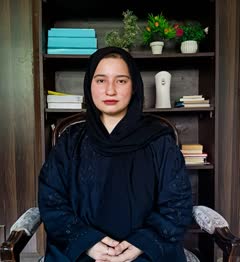





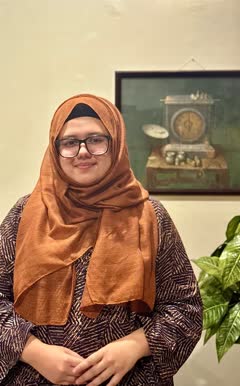
Read more about CBT therapy, or find a CBT therapist near you.
Ready to talk to someone?
What Is ERP Therapy?
ERP stands for exposure and response prevention. In exposure you gradually face the situations, thoughts or images that trigger your obsessions. In response prevention you practise not doing the compulsion or ritual. By staying with the discomfort until it settles, your brain learns that the feared outcome does not happen and that anxiety falls on its own. It is a form of cognitive behavioural therapy (CBT) adapted for OCD.
Why ERP Works
OCD survives on rituals, because each ritual gives short-term relief and teaches the brain that the ritual was needed. ERP breaks that link. Over repeated practice, the urge to ritualise weakens and confidence returns. Guidelines such as those from NICE recommend CBT with ERP as the first-line psychological treatment for OCD.
ERP Step by Step
First, you and your psychologist map your obsessions, triggers and rituals, including mental ones. Second, you build a fear ladder from mildly to very distressing situations. Third, you face an item on the ladder without doing the ritual, with support at first. Fourth, you repeat the exercise, between sessions too, until anxiety drops, then you move up the ladder. Finally you plan how to keep the gains and handle setbacks.
Examples of ERP Exercises
For contamination fears: touching a door handle and not washing for a set time. For checking: locking a door once and walking away. For harm thoughts: writing or listening to the feared thought without neutralising it. For religious doubts: reciting a prayer once, without repeating, and tolerating the doubt. Exercises are chosen together and paced to you. You are never forced.
How Long Does ERP Take?
A typical course is roughly 12 to 20 sessions, with daily practice between sessions. Many people notice change within the first few weeks.
ERP and CBT for OCD
ERP sits within CBT. CBT also helps you understand how thoughts and beliefs, such as inflated responsibility or the need for certainty, keep OCD going. Our CBT-trained psychologists are listed below; please tell us you are looking for OCD help when you book.
ERP and Medication
Our psychologists provide assessment and talking therapy. We do not prescribe medication. A doctor or psychiatrist decides about medication, and we can work alongside them.
Is ERP Right for Me?
ERP suits most adults and many children and teenagers with OCD. It is hard work, but it is guided, gradual and effective. If you feel scared of starting, that is normal. A good therapist goes at a pace you can manage.
Find an ERP Therapist in Pakistan
To get help, message us on WhatsApp or use the booking page. Sessions are online across Pakistan and abroad, or in person at our Islamabad clinic in F-11/1. Read more: OCD treatment, OCD symptoms, intrusive thoughts. This page is general information, not a diagnosis or medical advice.
Meet Therapists Who Can Help
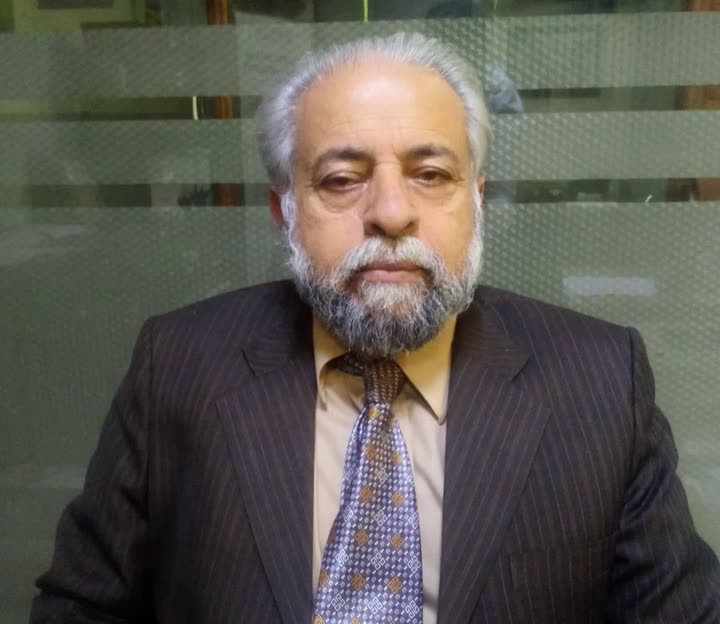
Prof. Dr. Asghar Ali Shah
Professor & Senior Psychotherapist · PhD Clinical Psychology · 38 Years' Experience

Muhammad Naushad Anjum
Founder & Lead Psychologist (HCPC Registered) — Couples, Marriage & Relationship Counselling

Lamiah Munaf
Teenage Counselor & Educational Remedial Therapist
What Our Clients Say
“I had a really great experience at Meeting Matters Clinic in F-11. The therapists here are highly professional aur unka ravaiya bohat supportive hai. It’s not easy to find a safe space for mental health, but yahan ka mahol bohat pur-sakoon aur welcoming hai. They genuinely listen to your problems without any judgment. Highly recommended for anyone looking for good counseling in Islamabad.”
Subhan A. · Google Review
“I am truly grateful to Ms. Tasmiya Asghar and the team at Meeting Matters. I reached out during one of the most difficult periods of my life while dealing with grief and trying to be the best parent I could be for my children. Ms. Tasmiya's kindness, empathy, and guidance helped me navigate emotions that often felt overwhelming. She helped me understand my feelings, regain perspective, and think through practical ways of supporting my children and myself. I always felt respected, heard, and comfortable during our sessions. I would wholeheartedly recommend Ms. Tasmiya Asghar and Meeting Matters to anyone going through a challenging time and looking for professional support in a compassionate environment.”
Hashir K. · Google Review
“Have noticed alot of changes within myself because of the sessions I've had. My therapist is extremely kind and helpful. I've never once felt uncomfortable feeling like I'm talking to a stranger. My Dr has made me feel as if she's my own and has helped me a lot.”
Shagufta K. · Google Review
15+ Years of Experience You Can Trust
The Meeting Matters has been providing professional counseling, therapy and training since 2010 — over fifteen years of clinical experience supporting individuals, couples and families across Pakistan and around the world. Our psychologists are trained in evidence-based approaches including CBT, DBT, EMDR and psychodynamic therapy, delivered through confidential online counseling and online therapy as well as in-person sessions at our Islamabad clinic.
Explore Our Full Range of Services
Alongside specialist support for this concern, you have access to our full range of services — the same experienced team, available online or in person:
Individual Therapy
One-to-one online counseling and therapy for anxiety, depression, stress and personal growth.
Couples Counseling
Online relationship counseling for communication, conflict and rebuilding trust.
Marriage Counseling
Online marriage counseling for couples working through distress or disconnection.
Premarital Counseling
Guided conversations before marriage, available online.
Family Therapy
Family counseling for communication, parenting and conflict resolution.
Child Psychology
Child and adolescent therapy with parent guidance.
Online Therapy
Secure online therapy sessions from anywhere.
Corporate Mental Health Workshops
Workplace wellbeing programs for organisations.
Career Counseling
Support for career transitions and workplace stress.
Key Benefits
- Qualified psychologists, in English or Urdu
- Online across Pakistan and abroad, or in person in Islamabad
- Assessment and a clear plan
- Evidence-based therapy such as CBT
- Confidential and non-judgmental
- Evening and weekend options where available
Frequently Asked Questions
About this information
Written and maintained by psychologists
The Meeting Matters is a psychology and mental-health organization founded in Islamabad in 2010. This page is written and kept up to date by our clinical team, led by Mr. Muhammad Naushad Anjum, Founder and CEO and a Registered Practitioner Psychologist with the UK Health and Care Professions Council (HCPC).
- Evidence-based approaches such as CBT, DBT and EMDR
- Qualified psychologists, trained, supervised and supported
- Everything you share is confidential
- Client feedback is used to keep improving our care
Last updated: 16 November 2026. This page gives general information and is not a substitute for a professional assessment. See about us and our psychologists.
Ready to Begin Your Journey?
Take the first step toward better mental health. Our compassionate team is here to support you.