
Sibling Rivalry: Why Children Fight and How Parents Can Help
Brothers and sisters argue, compete and tease, and it can wear a household down. Some sibling rivalry is normal and even helps children learn to share, negotiate and stand up for themselves. This guide explains why it happens, what parents can do, and when constant fighting may need professional support.
Worried about your child? Talk to our team today.
Ready to talk to someone?
Why Siblings Fight
Children compete for attention, space, toys and, most of all, a parent's time. Differences in age and temperament, tiredness, jealousy over a new baby, comparisons by adults, and tension at home all add fuel. Fighting is often a clumsy way of asking, 'Do you still notice me?'
Common Triggers
Typical triggers include a new brother or sister, one child needing more attention because of illness or a learning difficulty, favouritism (real or felt), comparisons in school results, shared rooms and belongings, and a stressful period such as a move, a separation or a loss in the family.
What Parents Can Do
Avoid comparing children, even in praise. Give each child one-to-one time, even ten minutes a day. Set a few clear, fair family rules about hitting, name-calling and personal belongings. Stay out of small squabbles when no one is hurt, and step in firmly when someone is. Teach children what to say instead ('I am angry because you took my book') and notice when they solve a problem on their own.
What to Avoid
Avoid taking sides without hearing both children, labelling a child ('the difficult one'), punishing everyone to end an argument, and expecting the older child to always give way. These can deepen resentment and make the pattern last.
When It May Be More Than Normal Rivalry
Consider support if there is regular hitting or hurting, bullying by one child towards another, a child who seems afraid or very low, constant conflict that affects everyone's sleep, school or mood, or if the fighting began after a big change at home. Sometimes the fighting is a sign of something else, such as anxiety, anger difficulties, or a child who feels left out. See our guides to child behavioral therapy and oppositional defiant disorder.
How We Help Families
We meet the parents first, then the children, to understand what each child needs. Support usually includes parent guidance, fair routines and rules, and age-appropriate sessions for children who need help with anger, jealousy or worry, sometimes with the siblings together. Read more in our guide to child therapy for parents.
Online or In Person
Sessions are online across Pakistan and in person in Islamabad. See child psychologist in Pakistan for details, or message us on WhatsApp (+92 333 3450786) or use the booking page.
Meet Therapists Who Can Help

Prof. Dr. Asghar Ali Shah
Professor & Senior Psychotherapist · PhD Clinical Psychology · 38 Years' Experience

Muhammad Naushad Anjum
Founder & Lead Psychologist (HCPC Registered) — Couples, Marriage & Relationship Counselling
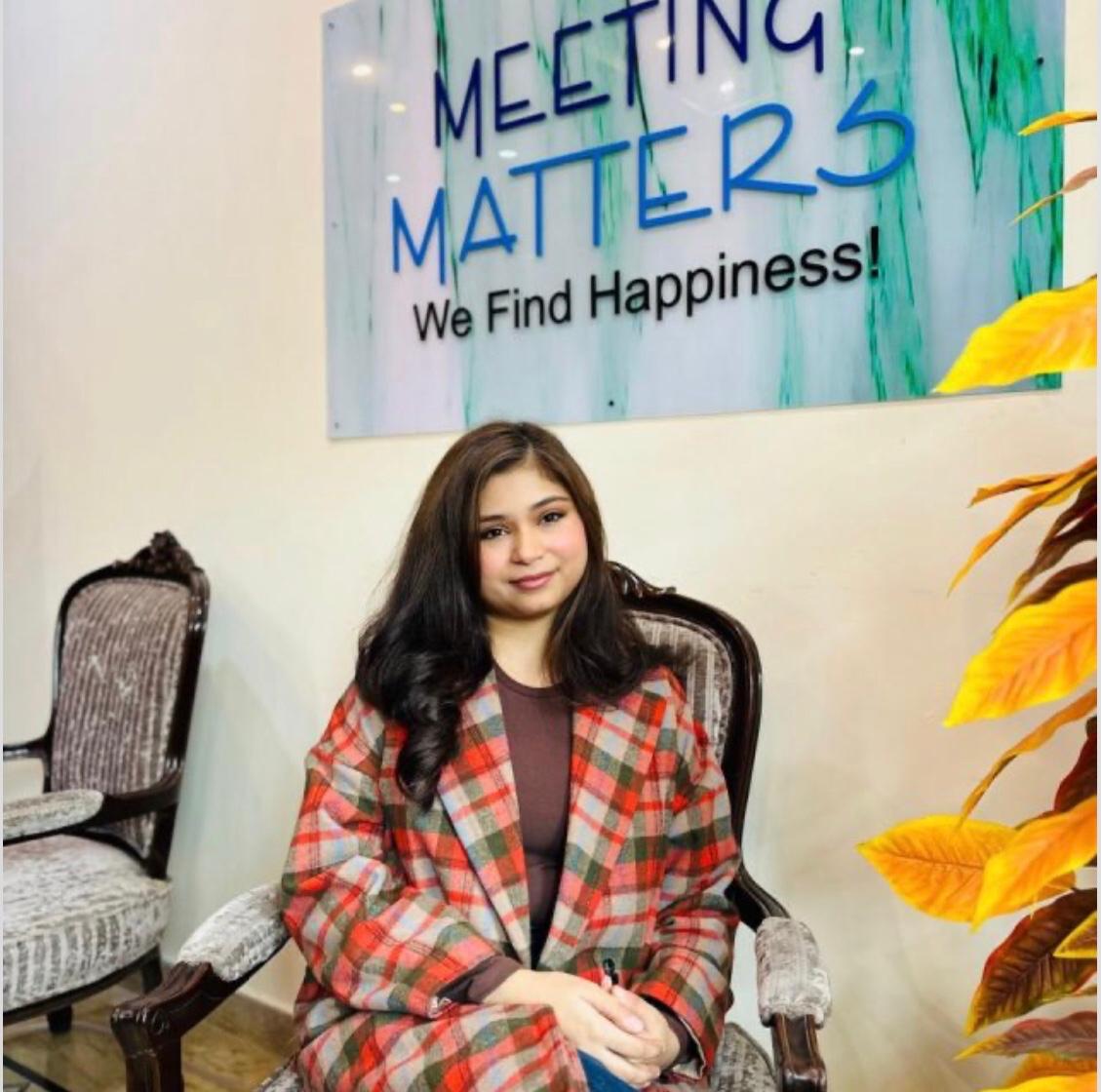
Lamiah Munaf
Teenage Counselor & Educational Remedial Therapist
What Our Clients Say
“I had a really great experience at Meeting Matters Clinic in F-11. The therapists here are highly professional aur unka ravaiya bohat supportive hai. It’s not easy to find a safe space for mental health, but yahan ka mahol bohat pur-sakoon aur welcoming hai. They genuinely listen to your problems without any judgment. Highly recommended for anyone looking for good counseling in Islamabad.”
Subhan A. · Google Review
“I am truly grateful to Ms. Tasmiya Asghar and the team at Meeting Matters. I reached out during one of the most difficult periods of my life while dealing with grief and trying to be the best parent I could be for my children. Ms. Tasmiya's kindness, empathy, and guidance helped me navigate emotions that often felt overwhelming. She helped me understand my feelings, regain perspective, and think through practical ways of supporting my children and myself. I always felt respected, heard, and comfortable during our sessions. I would wholeheartedly recommend Ms. Tasmiya Asghar and Meeting Matters to anyone going through a challenging time and looking for professional support in a compassionate environment.”
Hashir K. · Google Review
“Have noticed alot of changes within myself because of the sessions I've had. My therapist is extremely kind and helpful. I've never once felt uncomfortable feeling like I'm talking to a stranger. My Dr has made me feel as if she's my own and has helped me a lot.”
Shagufta K. · Google Review
15+ Years of Experience You Can Trust
The Meeting Matters has been providing professional counseling, therapy and training since 2010 — over fifteen years of clinical experience supporting individuals, couples and families across Pakistan and around the world. Our psychologists are trained in evidence-based approaches including CBT, DBT, EMDR and psychodynamic therapy, delivered through confidential online counseling and online therapy as well as in-person sessions at our Islamabad clinic.
Explore Our Full Range of Services
Alongside specialist support for this concern, you have access to our full range of services — the same experienced team, available online or in person:
Individual Therapy
One-to-one online counseling and therapy for anxiety, depression, stress and personal growth.
Couples Counseling
Online relationship counseling for communication, conflict and rebuilding trust.
Marriage Counseling
Online marriage counseling for couples working through distress or disconnection.
Premarital Counseling
Guided conversations before marriage, available online.
Family Therapy
Family counseling for communication, parenting and conflict resolution.
Child Psychology
Child and adolescent therapy with parent guidance.
Online Therapy
Secure online therapy sessions from anywhere.
Corporate Mental Health Workshops
Workplace wellbeing programs for organisations.
Career Counseling
Support for career transitions and workplace stress.
Key Benefits
- Practical steps for calmer households
- Fair rules and routines parents can use
- Support for the child who feels left out
- Family-focused guidance
Frequently Asked Questions
Related Child & Teen Services
About this information
Written and maintained by psychologists
The Meeting Matters is a psychology and mental-health organization founded in Islamabad in 2010. This page is written and kept up to date by our clinical team, led by Mr. Muhammad Naushad Anjum, Founder and CEO and a Registered Practitioner Psychologist with the UK Health and Care Professions Council (HCPC).
- Evidence-based approaches such as CBT, DBT and EMDR
- Qualified psychologists, trained, supervised and supported
- Everything you share is confidential
- Client feedback is used to keep improving our care
Last updated: 16 November 2026. This page gives general information and is not a substitute for a professional assessment. See about us and our psychologists.
Ready to Begin Your Journey?
Take the first step toward better mental health. Our compassionate team is here to support you.