
Ayesha Tariq · 2026-09-10
One of the most common things I hear in a first session is some version of: "We probably should have come in six months ago." Couples rarely arrive the moment something goes wrong — they usually wait until they've already tried to fix it themselves for a while, sometimes for years. Part of my job is helping people recognise sooner that what they're dealing with isn't a normal rough patch, it's a pattern that needs outside help to actually shift.
Every Marriage Has Rough Weeks — That's Not the Question
I want to say this clearly because it gets lost: arguing sometimes, going through a stressful month, or feeling less connected during a busy season is not a sign your marriage is failing. Financial pressure, a new baby, a family health crisis, work stress — these things genuinely strain even strong marriages, and the strain usually eases once the circumstance does. The real question isn't "are we struggling right now," it's "does this keep happening regardless of what's going on around us."
Signs Worth Paying Attention To
You're having the same argument on repeat. Not similar arguments — the literal same one, just triggered by a different day-to-day event. If you could predict word-for-word how your next fight will go, that's usually a sign the actual issue underneath has never been resolved.
One or both of you has stopped trying to be understood. Early in a conflict, people explain themselves. Over time, if nothing changes, people often give up — not because things got better, but because they stopped expecting to be heard. That quiet withdrawal is usually a bigger warning sign than active conflict.
You're both waiting for the other person to change first. When a couple is stuck in a standoff — both convinced they'll meet the other halfway once the other person moves first — that's rarely something that resolves on its own, because neither side is actually moving.
Physical or emotional intimacy has quietly disappeared. Not a dip during a hard month, but a sustained absence that's become the new normal and that neither of you has actually addressed out loud.
You've started keeping score. Mentally tallying who did more, who apologised last, who's "owed" something — this usually means resentment has built up faster than either partner has been able to process it.
Why Couples Wait So Long
In my experience, especially in Pakistani households, there's often a belief that seeking marriage counselling means admitting failure, or that airing problems outside the marriage is somehow disloyal. In practice, the couples who come in early tend to have an easier, shorter path than those who wait until resentment has calcified over several years. Marriage counselling isn't a last resort before separation — most of my sessions are with couples who are very much staying together and simply want their marriage to actually feel good again.
What Actually Happens in the Room
The first session is mostly about understanding the pattern, not assigning blame. I'm listening for the cycle — what one partner does that triggers the other, and what that partner does in response that (often unintentionally) triggers the first one again. Once a couple can actually see the loop they're both stuck in, it becomes much easier to interrupt it deliberately instead of falling into it automatically.
If the same pattern keeps repeating, such as one partner chasing and the other withdrawing, it may help to understand attachment patterns. Couples in Karachi can also see a counselor online: marriage counseling in Karachi.
Family pressure is a common trigger. Read in-laws and joint family conflict: how it affects marriage.
Living in Lahore or Karachi? You can see our psychologists online from home: marriage counselor in Lahore and marriage counselor in Karachi.
If This Sounds Like You
If you recognised more than one of these signs, that's worth a conversation — not necessarily a crisis. You can read more about how I approach marriage counseling and couples counseling, or simply book a session and we'll start with understanding what's actually going on.
Living outside Islamabad? You can also see a psychologist in Lahore or a psychologist in Karachi online, in Urdu, English or Punjabi.
About the Author
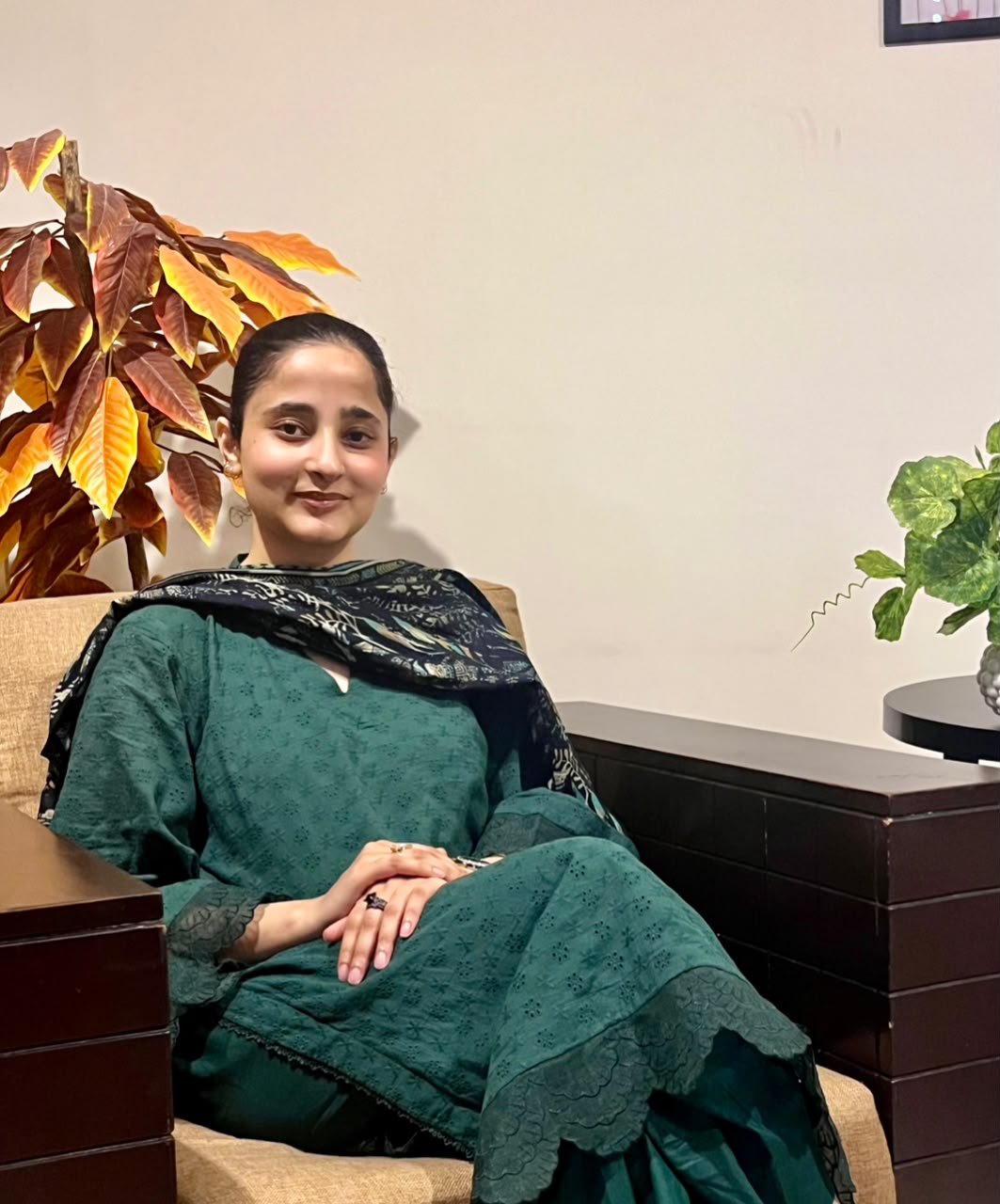
Ayesha Tariq
Clinical Psychologist — Relationship, Couples & Marriage Counselor
With over 4 years of dedicated practice, I specialize in guiding individuals, couples, and families toward healing and meaningful connection. My work integrates advanced certifications in CBT, REBT, and PCT with focused expertise in drug rehabilitation, ADHD rehabilitation, trauma recovery, and marriage & relationship counseling. I believe in creating a therapeutic space where every client feels seen, heard, and empowered, whether navigating personal struggles or strengthening relational bonds. I provide compassionate, evidence-based care for lasting change. Expertise Includes: Anxiety, Depression, OCD, Trauma, Drug & ADHD Rehabilitation, Couple Therapy, Relationship Counseling, Marriage Counseling, Family Counseling, ABA Basics.
What Ayesha helps with: