
Eeman Sarfraz · 2026-09-11
Couples sometimes come to premarital counseling expecting a kind of compatibility test — as if a therapist is going to tell them whether they should get married. That's not what actually happens. What premarital counseling really does is surface the conversations couples tend to avoid before the wedding, precisely because they feel unnecessary or uncomfortable to raise on their own.
The Conversations That Get Skipped
Engaged couples talk constantly about the wedding — the venue, the guest list, the logistics. What gets skipped far more often is the marriage itself: how you'll actually split financial decisions, how involved each of your families will be in day-to-day life, what happens if one of you wants to relocate for work, how you each define "helping out" versus "taking over." These aren't romantic conversations, which is exactly why they get postponed — often until they surface as conflict a year or two in.
The Belief Behind the Disagreement
A lot of what comes up in premarital sessions isn't really about the topic on the surface — it's about an unstated expectation each partner is carrying into the marriage without realising the other doesn't share it. One partner assumes weekends are automatically for extended family; the other assumes weekends are for the two of them. Neither is wrong, but neither has said it out loud. Part of my work is helping couples name these assumptions explicitly, rather than discovering the mismatch for the first time mid-argument, months into the marriage.
Family Integration Specifically
This is where a lot of premarital work concentrates, especially in families where extended family plays a significant day-to-day role. How involved will parents and in-laws be in decisions? Whose family traditions take priority during holidays? What happens when advice from a parent conflicts with what the couple wants? None of this needs to be adversarial — but it does need to be discussed directly, between the couple, rather than assumed or negotiated for the first time in the moment.
What a Session Actually Looks Like
Sessions are conversational, not clinical. I introduce a topic — finances, family involvement, communication style, expectations around children — and help both partners say what they actually think, including the parts that feel obvious enough not to mention. Often, just hearing each other's actual position out loud is the most useful part of the session, independent of any technique.
It's Not Just for Couples Who Are Unsure
Some of the couples most ready to benefit from premarital counseling are the ones who feel completely certain about getting married — because they're the least likely to have stress-tested their assumptions against each other's. Clarity now is considerably easier to build than repair later.
If You're Engaged and Haven't Had These Conversations Yet
You don't need to already know what's wrong to benefit from this — most couples start with just wanting the conversations to happen before the wedding rather than after. You can read more about premarital counseling or my approach, or book a session to get started.
Living outside Islamabad? You can also see a psychologist in Lahore or a psychologist in Karachi online, in Urdu, English or Punjabi.
About the Author
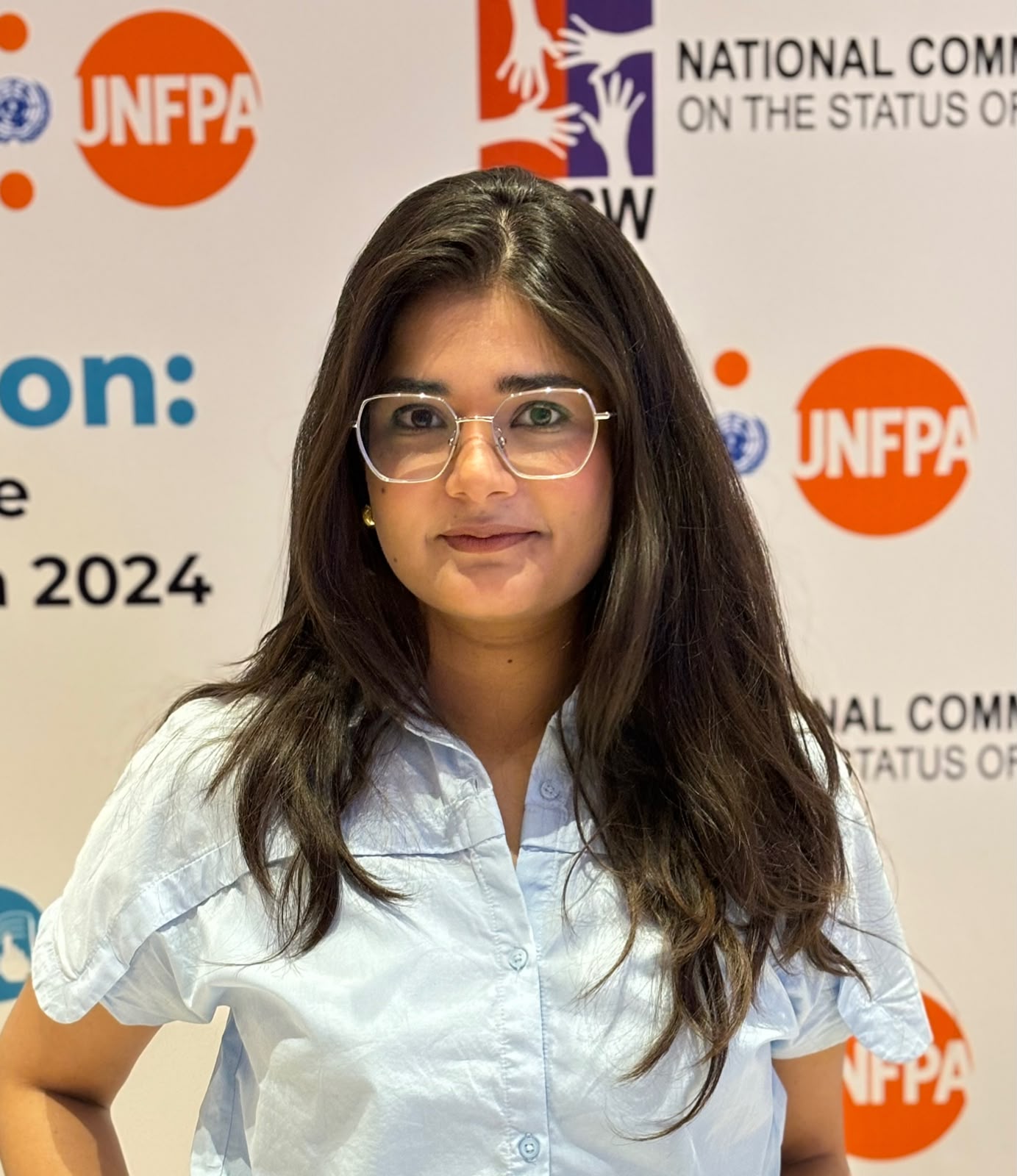
Eeman Sarfraz
Clinical Psychologist — Family & Relationship Counselor (CBT & REBT)
I'm a Clinical Psychologist dedicated to providing evidence-based, client-centered care, with a particular focus on family and relationship counselling. My therapeutic approach is grounded primarily in Cognitive Behavioral Therapy (CBT) and Rational Emotive Behavior Therapy (REBT), helping individuals, couples and families identify unhelpful thought and communication patterns, develop healthier coping strategies, and create meaningful, lasting change in how they relate to each other. I hold a professional certification in Rational Emotive Behavior Therapy (REBT) from the Complementary Therapists Accredited Association (CTAA), Membership No. 10662322. My practice integrates structured, research-backed interventions with empathy, collaboration, and respect for each client's unique experiences. My goal is to provide a safe, non-judgmental and confidential space where you feel heard and understood -- whether you're working through something on your own, or navigating it together as a couple or family.
What Eeman helps with: