
Ayesha Tariq · 2026-09-07
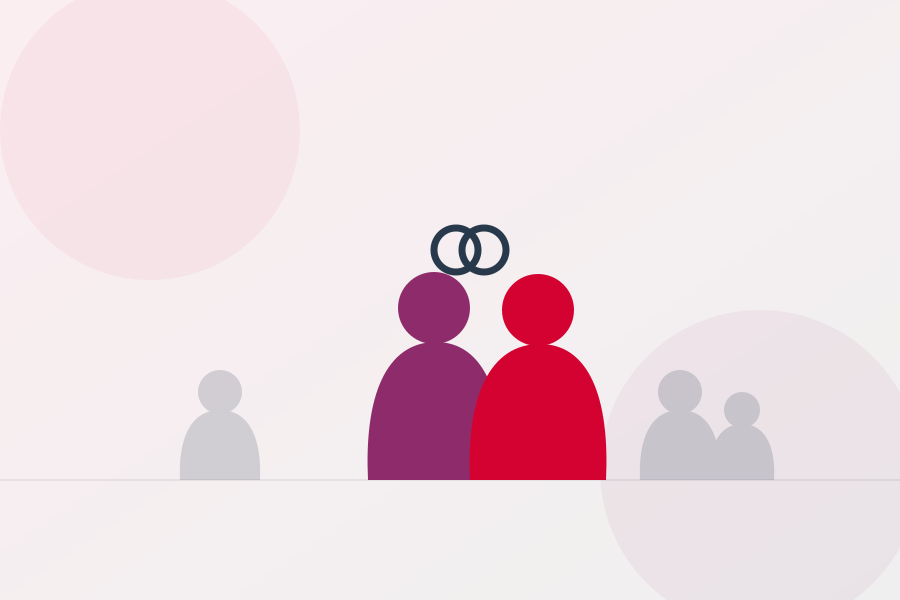
A lot of the couples I see who had an arranged marriage tell me some version of the same thing: everyone prepared them for the wedding, but nobody prepared them for the marriage. The problems that show up aren't necessarily bigger than what love-marriage couples face — they're just different, and they're rarely talked about openly, which makes people feel like they're the only ones struggling with something that's actually extremely common.
Building Intimacy on a Different Timeline
In a love marriage, emotional intimacy usually comes before the wedding. In an arranged marriage, it often has to be built afterward, alongside everything else — sharing a home, meeting each other's families more deeply, sometimes managing finances jointly for the first time. That's a lot to build at once, and couples sometimes mistake the awkwardness of that process for genuine incompatibility, when really it's just two people who are still getting to know each other while also being married.
The Extended Family Isn't Just "Involved" — It's Structurally Central
This is the one I see cause the most friction. In many arranged marriages, particularly early on, decisions that a love-marriage couple would make privately — where to live, how to spend money, how often to visit whose family — are shaped heavily by parents and in-laws from the start. This isn't inherently a problem, but it becomes one when a couple hasn't yet built enough of their own shared decision-making before extended family expectations are already in the mix. Partners can end up feeling more loyal to their own family than to each other, not out of a lack of love, but because that loyalty was established first.
Mismatched Expectations Nobody Actually Discussed
Because so much of an arranged marriage is decided through families rather than through the couple themselves, some fairly fundamental questions sometimes never actually get asked directly between partners before the wedding — about career expectations, whether and when to have children, how religious or traditional daily life should be, or what each person pictures for their future. These aren't small things to discover you disagree on after you're already married.
The Pressure to Perform Happiness
I hear this often from women especially: a sense that admitting the marriage is hard would be seen as an indictment of the families who arranged it, so problems get hidden even from close friends. That isolation makes ordinary marital difficulty feel much heavier than it needs to, because the couple is carrying it without any outside perspective at all.
What Actually Helps
Couples counselling for arranged marriages usually starts with something simple but rarely done: giving both partners a private space to say what they actually think, separate from what their families expect them to think. From there, we work on building the direct communication and decision-making between partners that the marriage timeline didn't naturally allow for before the wedding — while still respecting that extended family is, realistically, going to remain part of the picture.
Living with or near in-laws adds extra pressure. Read how in-law and joint family conflict affects marriage.
You're Not Failing at Something Everyone Else Finds Easy
If any of this sounds familiar, it doesn't mean the marriage was a mistake — it usually means the relationship needs some of the groundwork that a love marriage builds before the wedding, and an arranged marriage sometimes has to build after it. You can read more about my approach to marriage counseling, or book a session to start the conversation.
How safe and connected you feel in a relationship is shaped by early attachment patterns. See attachment issues therapy if closeness is hard for you or your partner.
Living outside Islamabad? You can also see a psychologist in Lahore or a psychologist in Karachi online, in Urdu, English or Punjabi.
About the Author
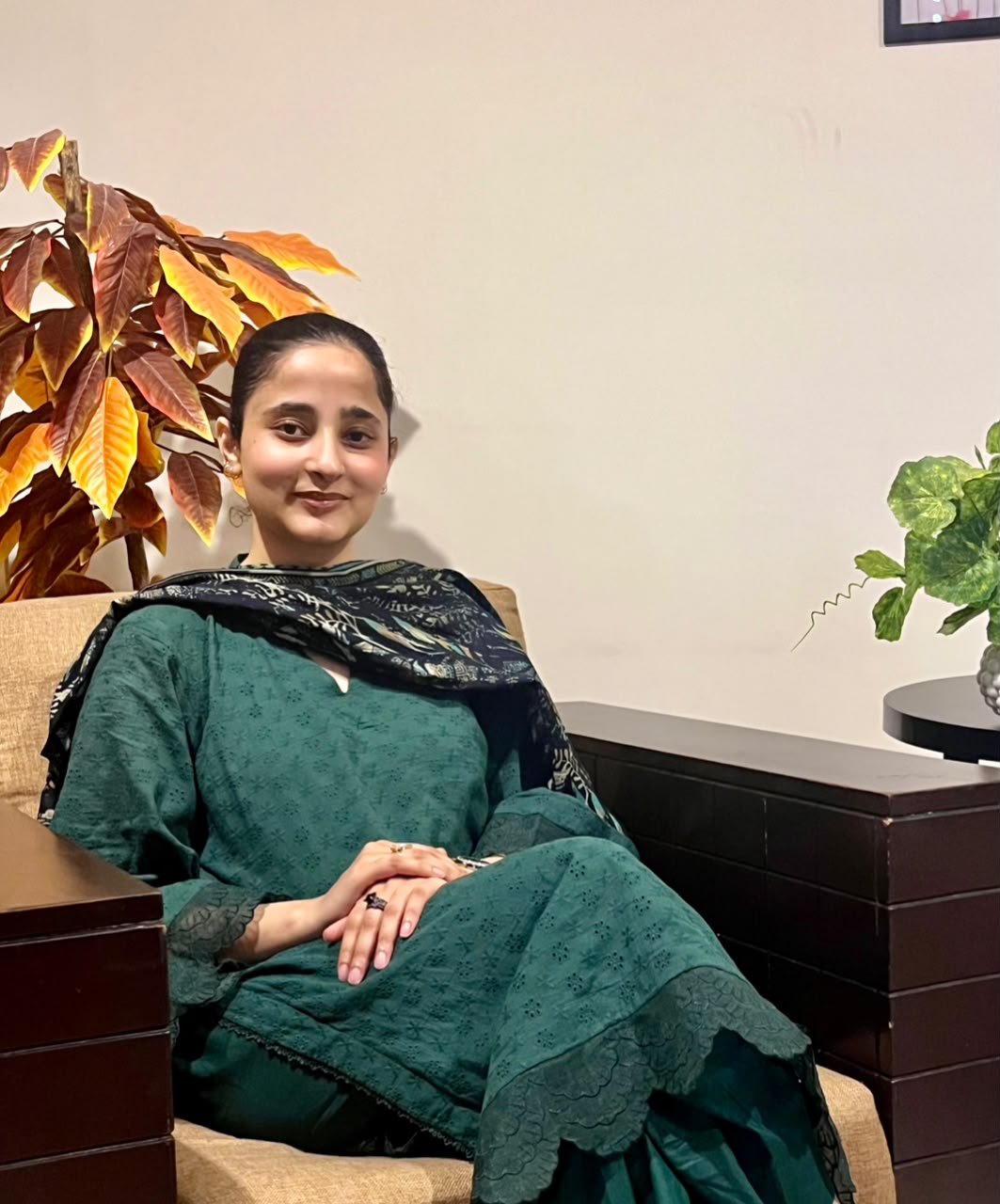
Ayesha Tariq
Clinical Psychologist — Relationship, Couples & Marriage Counselor
With over 4 years of dedicated practice, I specialize in guiding individuals, couples, and families toward healing and meaningful connection. My work integrates advanced certifications in CBT, REBT, and PCT with focused expertise in drug rehabilitation, ADHD rehabilitation, trauma recovery, and marriage & relationship counseling. I believe in creating a therapeutic space where every client feels seen, heard, and empowered, whether navigating personal struggles or strengthening relational bonds. I provide compassionate, evidence-based care for lasting change. Expertise Includes: Anxiety, Depression, OCD, Trauma, Drug & ADHD Rehabilitation, Couple Therapy, Relationship Counseling, Marriage Counseling, Family Counseling, ABA Basics.
What Ayesha helps with: