Ayesha Tariq · 2026-09-10
In couple sessions, I often notice the same pattern: two people who love each other, sitting across from me, both convinced the other one is "the problem." What's usually underneath that isn't a lack of love — it's an untreated addiction or an old trauma quietly running the relationship from the background, long after anyone named it out loud.
Why This Doesn't Stay "Individual"
Addiction and trauma are often treated as individual issues — something one partner works through in their own therapy, separate from the relationship. In practice, they rarely stay contained. A partner managing unprocessed trauma may become hyper-vigilant, shut down during conflict, or read neutral comments as threats. A partner in active addiction — or early recovery — often brings broken trust, secrecy, and a nervous system that's learned to avoid feeling anything at all. The other partner absorbs all of this, usually without a name for what's happening, and starts reacting to the pattern rather than to each other.
What It Actually Looks Like in a Relationship
Hypervigilance mistaken for control. A partner checking phones, tracking whereabouts, or needing constant reassurance often isn't "controlling" — they're managing a nervous system that's been burned before, whether by infidelity, addiction relapse, or an older trauma the relationship didn't cause but inherited.
Withdrawal mistaken for indifference. Trauma responses and substance use both often show up as emotional shutdown — going quiet during conflict, avoiding vulnerable conversations, or seeming distant during moments that call for closeness. The partner on the receiving end usually experiences this as rejection, not as a survival response.
Broken trust that outlives the original event. After a relapse or a trauma disclosure, trust doesn't reset just because the crisis has passed. Many couples try to "move on" without actually rebuilding the specific, concrete trust that was broken — which is why the same argument keeps resurfacing months later.
Why Standard Couples Counselling Sometimes Isn't Enough
Generic communication techniques can genuinely help a relationship — but when addiction or trauma is the real driver underneath the conflict, communication skills alone tend to plateau quickly. You can teach a couple to use "I" statements, and it won't touch the moment one partner's nervous system floods with panic at a raised voice, or the moment old shame around a relapse gets triggered by an innocent comment. That work needs someone who can hold both — the relationship dynamic and the addiction or trauma driving it — rather than treating them as two separate referrals.
How This Work Actually Goes
I typically start by helping each partner understand what's actually happening physiologically and emotionally — not to excuse behaviour, but to separate "who this person is" from "what an untreated wound is doing in the moment." From there, we build concrete, specific trust-rebuilding steps rather than vague promises to "do better," and work on communication that accounts for real triggers instead of assuming a level playing field that isn't there yet. Individual work on the addiction or trauma itself often runs alongside the couple work, not instead of it.
If This Sounds Familiar
If you recognise your relationship in this — one partner's addiction, trauma or recovery quietly shaping how you both communicate — you don't need to have it all figured out before reaching out. You can read more about my approach to couple and relationship counselling, or explore our communication problems counselling page, and book a session to start with a conversation about what you're both dealing with.
Living outside Islamabad? You can also see a psychologist in Lahore or a psychologist in Karachi online, in Urdu, English or Punjabi.
About the Author
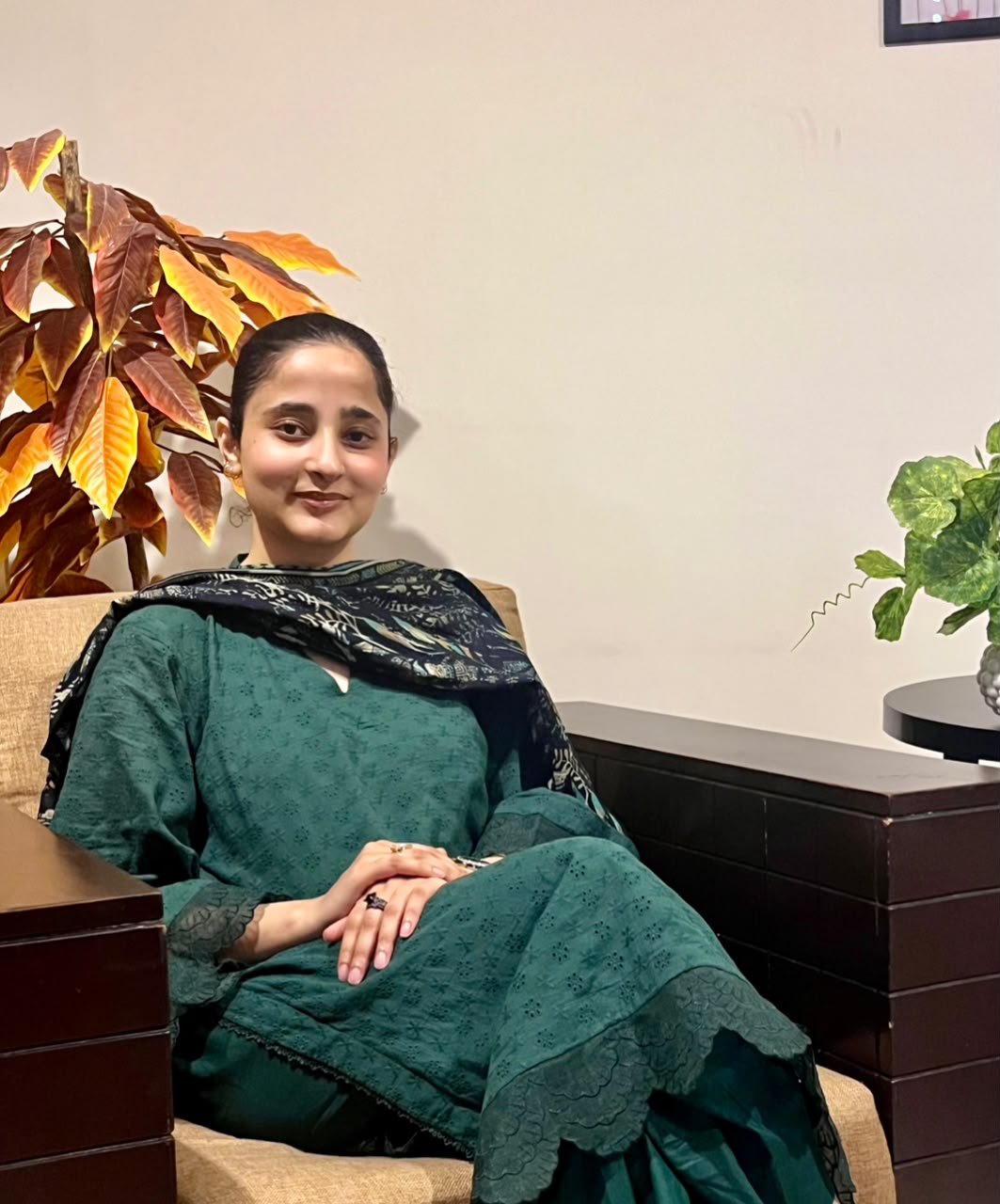
Ayesha Tariq
Clinical Psychologist — Relationship, Couples & Marriage Counselor
With over 4 years of dedicated practice, I specialize in guiding individuals, couples, and families toward healing and meaningful connection. My work integrates advanced certifications in CBT, REBT, and PCT with focused expertise in drug rehabilitation, ADHD rehabilitation, trauma recovery, and marriage & relationship counseling. I believe in creating a therapeutic space where every client feels seen, heard, and empowered, whether navigating personal struggles or strengthening relational bonds. I provide compassionate, evidence-based care for lasting change. Expertise Includes: Anxiety, Depression, OCD, Trauma, Drug & ADHD Rehabilitation, Couple Therapy, Relationship Counseling, Marriage Counseling, Family Counseling, ABA Basics.
What Ayesha helps with: