
Muhammad Naushad Anjum · 2026-08-26
Over the last couple of years, the emails I get from HR managers and founders have changed. It used to be the occasional request for a "motivational talk" before an annual dinner. Now it's a head of HR asking why their best people are quietly burning out, or a founder who's noticed the same three team members taking sick leave every month and wants to understand what's actually going on before it becomes a resignation letter. That shift is why corporate mental health workshops have gone from a nice-to-have to something companies in Islamabad and Rawalpindi are actually budgeting for.
Why this is happening now
Part of it is generational — younger employees ask about mental health support the way they used to ask about health insurance, and companies that don't have an answer lose candidates over it. Part of it is simply that the old approach wasn't working: a one-off "wellness day" with a guest speaker and some snacks doesn't move the needle on burnout, and most HR teams already know that. What I usually hear is that leadership has tried the surface-level version once, seen no real change in absenteeism or turnover, and is now looking for something with more substance.
What a workshop with us actually looks like
We don't turn up with a generic slide deck. Before we design anything, we usually start with a short consultation with HR or leadership to understand what your team is actually dealing with — is this a sales floor under constant target pressure, a shift-based operations team, or a leadership group that's stopped communicating honestly with each other? The content gets built around that, not the other way round.
Sessions typically run 1.5 to 3 hours depending on the topic and group size, though for larger organisations we can design half-day or multi-part programs instead of trying to cram everything into one sitting. A lot of my own approach here comes from years working in aviation psychology, where you're dealing with people who have to perform under real pressure and can't afford to "push through" burnout quietly — the same principles apply to a high-pressure corporate floor, just with different stakes.
The topics companies actually ask for
- Recognising burnout early — in yourself and in the people you manage
- Practical stress management for high-pressure roles, not just breathing exercises
- How managers can have a mental-health conversation with a struggling employee without overstepping
- Workplace communication and conflict, especially in teams that have grown too fast to build real trust
- Building psychological safety so problems get raised before they become resignations
Signs a team needs this before it becomes a bigger problem
A few patterns come up again and again when I talk to HR teams: the same handful of people are on sick leave every month, exit interviews keep mentioning "culture" or "burnout" without anyone acting on it, a normally reliable manager has become short-tempered or checked out, or a team that used to speak up in meetings has gone quiet. None of these are dramatic on their own, which is exactly why they get missed — but they're usually visible for months before someone finally raises it with leadership.
How this is different from a generic training day
Most "wellness" sessions are built to be delivered to anyone, anywhere, which is exactly why they rarely change anything. A workshop that's actually useful has to be built around your team's real work environment — the same content lands very differently for a customer-facing call centre than it does for a leadership team managing layoffs. That's also why we usually recommend pairing a one-off workshop with our Employee Assistance Program, so the conversation the workshop starts doesn't just stop the moment everyone goes back to their desks.
See also workplace burnout: signs, causes and recovery for what individual employees can do.
Getting started
If any of this sounds familiar, the easiest next step is a short conversation about what your team is actually going through — no obligation, no generic proposal. You can see how we structure these on our corporate mental health workshops page, or get in touch to book a consultation and we'll take it from there.
Support for Your Whole Team
If you are looking at this from an organisation's point of view, an Employee Assistance Program gives every employee a confidential route to a psychologist, with anonymised reporting for HR. Read what an EAP is and how it works, or see our EAP pages for Karachi, Lahore and Islamabad.
Based in the capital? Our psychologist in Islamabad page covers the F-11/1 clinic, the psychologists who see clients in person, their days and fees.
About the Author
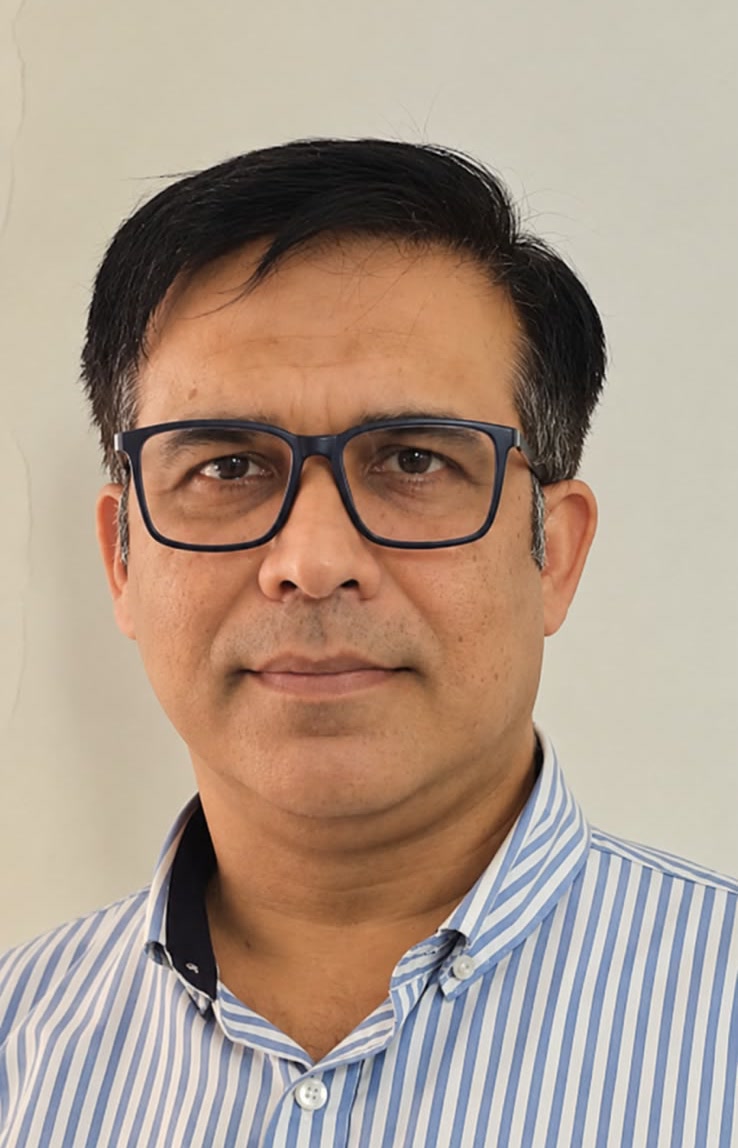
Muhammad Naushad Anjum
Founder & Lead Psychologist — Couples, Marriage & Relationship Counselling
Muhammad Naushad Anjum is the Founder of Meeting Matters Clinic, established in 2010 with the vision of bringing evidence-based, academically sound, and internationally benchmarked counselling services to Pakistan and Pakistanis abroad. He is a UK and UAE registered psychologist, with an MPhil and MSc in Psychology, and is a member of the European Association for Aviation Psychology and the International Society of Air Safety Investigators. He has served as consultant psychologist to the employee assistance programmes of BBC, Optum and Workplace Options since 2012, and, as CEO of Meeting Matters Global, leads its Employee Assistance Program, delivered for organisations including Shifa International Hospital, Islamabad. His specialist areas include relationship counselling, couple therapy, and family counselling. Through Meeting Matters, he focuses on selecting, training, and supporting a culturally sensitive team of psychologists who serve clients in Pakistan and overseas through in-person and online therapy. He is registered with the UK Health and Care Professions Council (HCPC) and works online with Pakistanis in the UK, the UAE and across the world, in English, Urdu or Punjabi. See our pages for Pakistanis in the UK (themeetingmatters.com/pakistani-psychologist-uk) and in the UAE and Gulf. Note: Mr. Naushad has a busy travel schedule and thats why he is mostly available for online sessions. His booking is handled by our Client Facing Team through normal booking lines based on availability.
What Muhammad helps with: